
Review · SPAIN
Christmas in Santiago de Compostela: a tour among lights and stone
Christmas gives Santiago a new face. This 1.5-hour walk links glowing streets, handmade nativity scenes, and stone carvings that tell the Christmas story in a city shaped by pilgrimage and faith. You move from the Carreira do Conde market to the great Plaza del Obradoiro, with several worthwhile stops in between.
I like the way the tour connects modern Christmas decorations with older religious art. I also like the small group limit of 10 people, which gives you a better chance to ask questions. The main consideration is language: the live tour is in Spanish, so you will get the most from it if you can follow spoken Spanish.
The price is just $11 per person, a strong deal for a guided walk through Santiago’s historic center. Guides Vanesa, also named Vanessa in one booking account, earned especially warm praise for her clear answers, enthusiasm, and command of the city’s sites.
Key points to know before you book
- Start at the Carreira do Conde Christmas Market: Crafts, decorations, and local products give the tour an easy, festive opening.
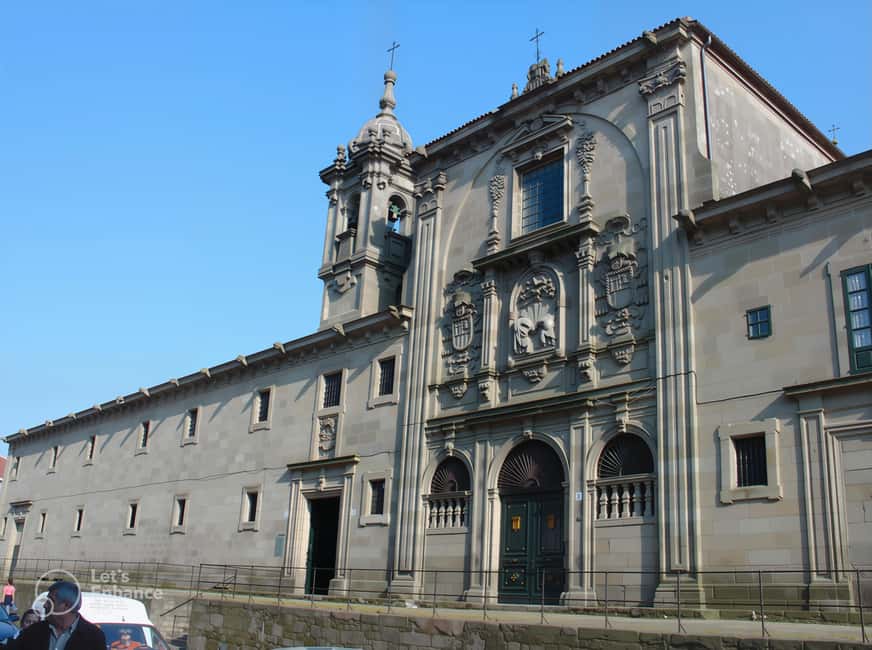
- See the Annunciation on Las Mercedarias: The convent façade features a sculptural group by Mateo Prado.
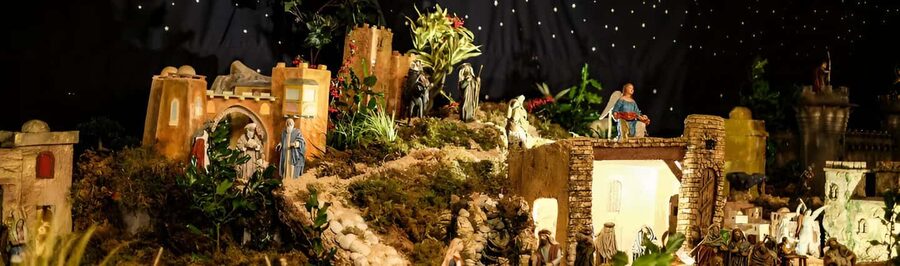
- Find more than 250 nativity figures at San Fiz de Solovio: This handmade display is one of the walk’s most distinctive stops.
- Read Christmas stories in stone at Platerías: The square holds carvings of the Epiphany and the Flight into Egypt.
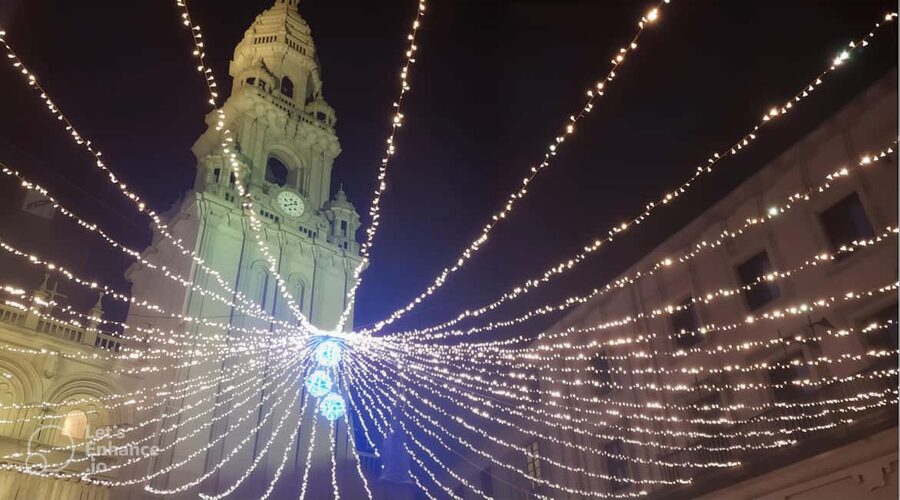
- Finish beneath Santiago’s giant Christmas tree: Plaza del Obradoiro becomes the grand finale, with monumental lighting around the cathedral setting.
- Expect a Spanish-language small group: The tour is limited to 10 people and led by a guide focused on heritage and urban history.
Why this Christmas walk works so well
Many Christmas walks focus mainly on lights. This one gives the decorations a setting and a story. Santiago’s old center already has dark granite streets, formal squares, convent façades, and monumental religious buildings. Add Christmas lighting, and the city feels festive without losing its serious medieval character.
I like this mix because you are not simply following a guide from one decorated street to another. You are also learning how Christian images appear in sculpture, architecture, and local customs. The Christmas cycle becomes a key for reading the city.
The walk lasts about 90 minutes. That is long enough to connect several central sights, but short enough to fit around a cathedral visit, a meal, or an evening stroll. You should still expect to be on your feet for the entire tour. The supplied details do not give a separate accessibility assessment, so anyone needing specific arrangements should confirm them before booking.
The small group is another practical plus. With no more than 10 people, the guide can answer questions without turning the walk into a crowded lecture. The strongest praise has gone to Vanesa, whose explanations and quick replies made the tour especially enjoyable for several people.
More Christmas Lights Tours in Spain:
- Christmas Lights Tour of Madrid in Eco Tuk Tuk Private
★ 5.0 · 125 reviews - Madrid: Private Christmas Lights Tour by Eco Tuk-Tuk
★ 4.8 · 63 reviews - Barcelona: Private Christmas Lights Tour by Eco Tuk Tuk
★ 4.4 · 35 reviews
Starting among crafts at Carreira do Conde
The meeting point is directly in front of the Halcón Viajes office on Rúa da Carreira do Conde. The tour begins at the Christmas market there, which gives you an immediate taste of Santiago’s seasonal mood.
You can expect stalls with crafts, decorations, and local products. The market is not treated as a stand-alone shopping stop. Instead, it sets up the larger theme of the walk: Christmas in Santiago is both a current celebration and part of a much older local tradition.
This is a useful place to begin because the market brings ordinary seasonal life into a city known for major monuments. You see the handmade and local side of Christmas before moving toward stone façades and carved religious scenes.
The information provided does not specify free time for shopping, so do not count on a long browsing period. If you see something you want, ask the guide how much time the group has before moving on. The purpose here is a guided introduction, not an extended market visit.
Reading the Annunciation at Las Mercedarias
The next important stop is the Convent of Las Mercedarias. The focus is its façade and the sculptural group of the Annunciation, created by Mateo Prado.
The Annunciation is the moment when Mary is told she will become the mother of Jesus. On this tour, that scene helps you see how architecture reflects the Christmas cycle before the story reaches the Nativity itself. The guide also explains the connection between the façade and the religious tradition of the order.
This is where the tour moves beyond holiday decoration. You begin to see Christmas as a sequence of scenes represented across Santiago’s buildings. A guide who can explain the figures, their placement, and their religious meaning adds real value, especially if you would otherwise walk past the façade without knowing what you are seeing.
The stop should appeal to anyone interested in sculpture, church art, or the way public buildings communicate their purpose. It may be less satisfying if you want only bright displays and seasonal entertainment. The stonework is the point here, and you will need to pay attention to the guide’s Spanish explanation.
San Fiz de Solovio and the 250-figure nativity
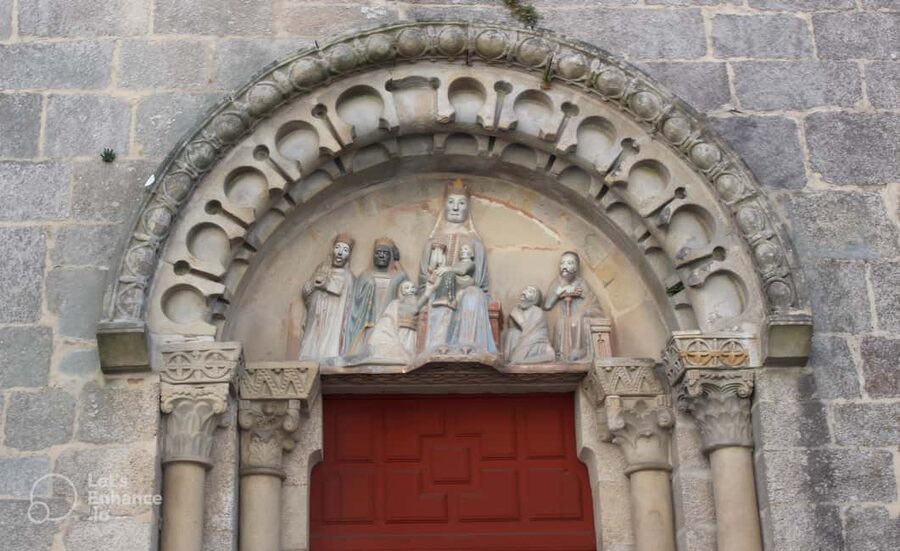
At San Fiz de Solovio, the tour brings together carved stone and a handmade nativity scene. The church has a tympanum showing the Epiphany, while the nativity display contains more than 250 figures.
This is one of the most unusual parts of the walk. The nativity is not just a small devotional scene tucked into a corner. Its handmade scale and large cast of figures make it a major seasonal attraction, drawing thousands of people each year.
The Epiphany tympanum adds an older layer to the visit. The scene shows the arrival of the Magi, while the nativity display presents the Christmas story in a more immediate, popular form. You get to compare formal architectural art with a handmade tradition that is designed to attract and delight a broad audience.
I would pay close attention to the contrast. The stone tympanum is fixed, historic, and part of the building. The nativity scene is seasonal, crafted, and made for repeated viewing during the holiday period. Together, they show how the same religious stories can live in both permanent monuments and temporary displays.
The information does not specify how long the group stays at the nativity or whether the display is indoors or outdoors. Your guide will set the pace. If this is the stop you most want to study, mention that early in the walk so you can use the available time well.
A few more festive outings around Spain worth booking
- Christmas Tapas and Wine Tour in Valencia
★ 5.0 · 17 reviews - Barcelona: Christmas Lights and Markets Bike Tour
★ 5.0 · 14 reviews - Christmas Lights Tour of Barcelona in Private Eco Tuk Tuk
★ 4.5 · 7 reviews - From Santiago: Christmas Lights of Vigo And Pontevedra
★ 4.5 · 6 reviews
Platerías, Campus Stellae, and stories carved in stone
The route continues to Praza das Praterías, one of Santiago’s key historic squares. Here, the guide discusses the Campus Stellae, or Field of Stars, linked to the lights that guided the discovery of the apostle’s tomb.
This subject gives the Christmas lighting a local connection. The modern lights are not just decoration. They become part of a longer story about stars, pilgrimage, discovery, and the meaning of light in Santiago.
You also examine reliefs of the Epiphany and the Flight into Egypt. These carvings extend the Christmas cycle beyond the birth of Jesus. The Epiphany shows the Magi bringing their gifts, while the Flight into Egypt presents the danger and movement that follow the Nativity.
This is likely the most rewarding stop for visitors who enjoy close looking. The square is not merely a place to cross on the way to the cathedral. It contains details that are easy to miss if you are focused only on taking a photo. A specialist guide can point out the figures and explain how the scenes fit together.
The tradeoff is that the value depends on your interest in iconography and architecture. If you prefer fast sightseeing, the explanations may feel detailed. If you like understanding what you see, this section should make the old center more legible for the rest of your stay.
The grand finale in Plaza del Obradoiro
The tour ends in Praza do Obradoiro, Santiago’s monumental central square. During the Christmas season, a huge metal Christmas tree and major lighting displays turn the plaza into the festive center of the city.
This is a fitting finish. You have moved from a market and small-scale handmade work to monumental stone buildings and a large public celebration. The final square brings all those elements together: religious tradition, urban architecture, pilgrimage, and present-day Christmas spectacle.
The plaza is also the kind of place where a guide can help you pause instead of simply passing through. The lighting changes how the stone façades feel, especially after you have spent the walk learning to look at architectural details. You finish with a clear sense of how Santiago’s Christmas atmosphere depends on both decoration and setting.
The tour ends here rather than returning to the starting point. That matters when you plan the rest of your evening. You can continue exploring from the square, but you should arrange your own way back if your accommodation or dinner plans are near Carreira do Conde.
The guide and group size make a difference
The experience includes a specialized guide focused on heritage and urban history. That wording matters because the tour is built around interpretation, not just directions. You are expected to learn why the buildings, carvings, and traditions matter.
Vanesa received the strongest praise in the available feedback. One person described her as fun and highly informed, while another highlighted her ability to answer questions quickly and her genuine enjoyment of the work. Another booking account spells the name Vanessa, so you may see either spelling connected with the same guide.
The small group limit of 10 is particularly helpful at the nativity display and in the historic squares. You can hear explanations more easily than in a large walking group, and questions are less likely to get lost.
The tour is in Spanish. Some content is presented in its original language, so you should not book this expecting an English-language tour. If your Spanish is limited, the visual material still has value, but you may miss the finer points about religious symbolism, the convent order, and the Campus Stellae story.
Is $11 a fair price?
At $11, this is one of the easier Santiago activities to justify. You receive 90 minutes with a specialist guide, a walk through the historic center, and access to a carefully chosen set of Christmas sights. The price is especially good if you want context rather than a self-guided stroll under the lights.
The value comes from the connections. You are not paying only to see a market, a nativity, or a decorated square. You are paying for someone to explain how those pieces relate to the city’s religious art and urban story.
Still, price is not the only question. The tour is worthwhile only if Spanish works for you and if you enjoy guided interpretation. If you want to browse slowly, stop for photos whenever you like, or spend long stretches at the market, a self-guided evening may suit you better.
The flexible booking terms make the decision easier. You can reserve now and pay later, and cancellation is allowed up to 24 hours before the activity for a full refund. Starting times vary, so check availability before setting your dinner plans.
Who should book this experience?
I would choose this walk for anyone visiting Santiago during the Christmas season who wants more than a quick look at the lights. It suits people interested in religious art, architecture, local customs, handmade displays, and the stories behind public monuments.
Families may enjoy the large nativity scene, although the tour’s focus is explanatory rather than built specifically for children. Couples and solo visitors should appreciate the short length and small group. It also works well as an evening orientation, since the route introduces several central places without taking up half a day.
Spanish-speaking visitors will get the fullest experience. People who understand some Spanish may still enjoy the visual stops, but the guide’s explanations are central to the tour, not an optional extra.
Should you book Christmas in Santiago?
Book it if you want a compact, low-cost walk that links Christmas lights with Santiago’s stone-carved stories. The market, the Mateo Prado sculpture, the 250-figure nativity, the Platerías reliefs, and the glowing Obradoiro finale give the route plenty of variety.
Skip it if you need an English-language guide, dislike walking and standing, or want unstructured time for shopping and photos. For everyone else, $11 is a modest price for a focused introduction to Santiago at Christmas, especially with a guide such as Vanesa, whose clear answers and enthusiasm have made this experience a hit.
FAQ
Where does the Christmas tour begin?
It begins on Rúa da Carreira do Conde, directly in front of the Halcón Viajes office.
Where does the tour finish?
The tour finishes in Praza do Obradoiro, beneath the large metal Christmas tree and the main Christmas lighting.
How long does the experience last?
The guided walk lasts 1.5 hours.
What language is the tour conducted in?
The live tour guide speaks Spanish. Some content is shown in its original language.
How large is the group?
The activity is limited to 10 participants.
What does the tour include?
It includes a specialized guide in heritage and urban history, a walking tour of Santiago’s historic center, explanations of architecture and Christmas traditions, and visits to key landmarks and festive decorations.
What can I see at San Fiz de Solovio?
You can see the tympanum of the Epiphany and a handmade nativity scene with more than 250 figures.
Can I cancel the booking for a refund?
Yes. You can cancel up to 24 hours in advance for a full refund. You can also reserve now and pay later.
New this season around Spain
- Christmas Boat Experience in Valencia★ 3.5 · 5 reviews
- Christmas In Madrid: Private Experience With A City Host★ 5.0 · 5 reviews
- Christmas In Barcelona: Private Custom Tour With A Local Host★ 4.0 · 2 reviews
- Mallorca: Palma’s Winter Magic City Walk with Christmas Glow★ 5.0 · 2 reviews
- Malaga: Christmas Night Tour and Lights with Tuk Tuk★ 3.6 · 5 reviews
- From Santiago: Christmas Lights of Vigo And Pontevedra★ 4.5 · 6 reviews
- Christmas Lights Tour of Barcelona in Private Eco Tuk Tuk★ 4.5 · 7 reviews
- Barcelona Christmas Walking Tour★ 5.0 · 6 reviews
Christmas Lights Tours, compared.
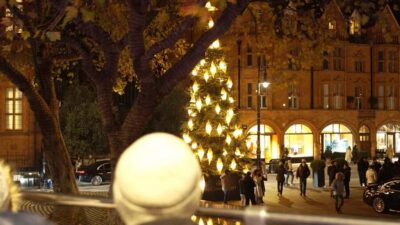
London: Christmas Lights Bus Tour With Live Guide
Read our review →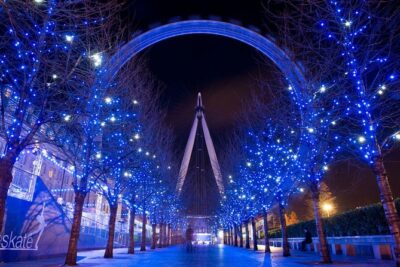
London by Night Bus Tour with Christmas Lights and Live Guide
Read our review →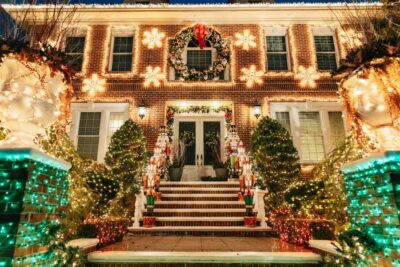
NYC: Dyker Heights Christmas Lights & Skyline View Bus Tour
Read our review →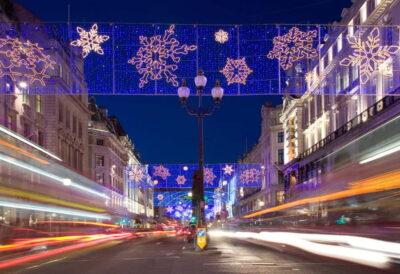
London Christmas Lights Tour by Vintage Bus Open Top
Read our review →
New York City: Dyker Heights Christmas Lights Tour
Read our review →
Browse the lists this tour appears in