
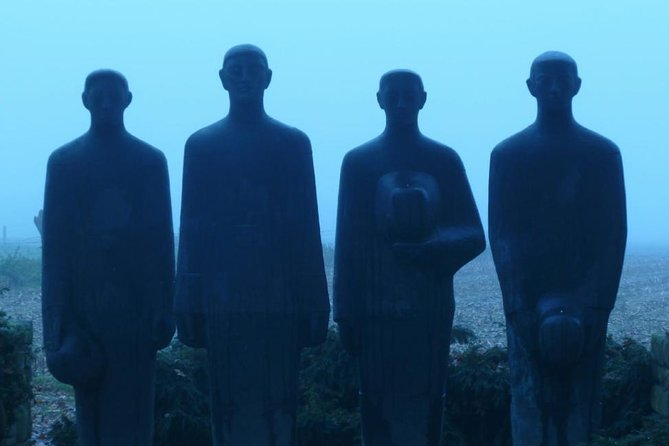
Review · BELGIUM
From LIlle or Bruges, Christmas Truce to Passchendaele Ypres 1 day WW1 private
The past feels close here. This nine-hour private tour links the Ypres Salient’s most important sites, from the Christmas Truce ground at Messines to the trenches of Sanctuary Wood. I especially like the private format, which lets your guide adjust the day around family history, Australian military interest, or your own questions. I also like the hotel pickup from Bruges, Lille, Ghent, Arras, and nearby towns.
The main consideration is pace. Eight major stops, plus several drives, fill a long day. Lunch is not included, and some visits are brief, so this suits you best if you want a focused military-history day rather than a slow sightseeing outing. Guide Soren receives especially strong praise for his clear explanations, thoughtful detail, and good humor.
Key points to know before booking
- Messines includes the Christmas Truce area, mine craters, and a wartime crypt: This is one of the day’s most layered stops.
- The tour follows the Australian advance: Polygon Wood, Hill 60, Zonnebeke, Passchendaele, and related sites fit together as one military story.
- Private pickup saves time: Collection is available from hotels and B&Bs within 66 kilometers of Ypres, including Bruges, Lille, Ghent, and Arras.
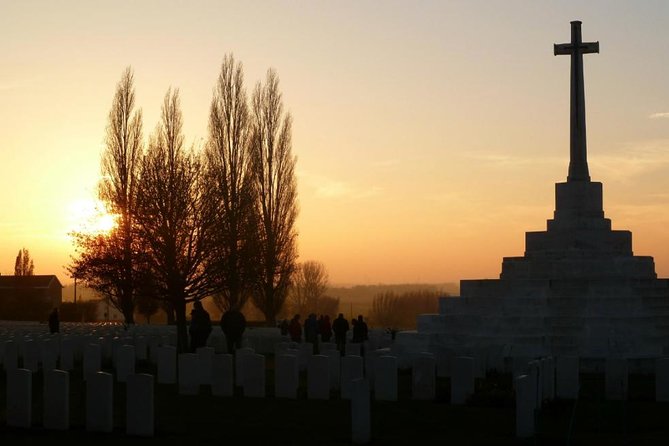
- Tyne Cot is the emotional centerpiece: You’ll see the Commonwealth War Graves Commission’s largest cemetery, with about 12,000 soldiers buried there.
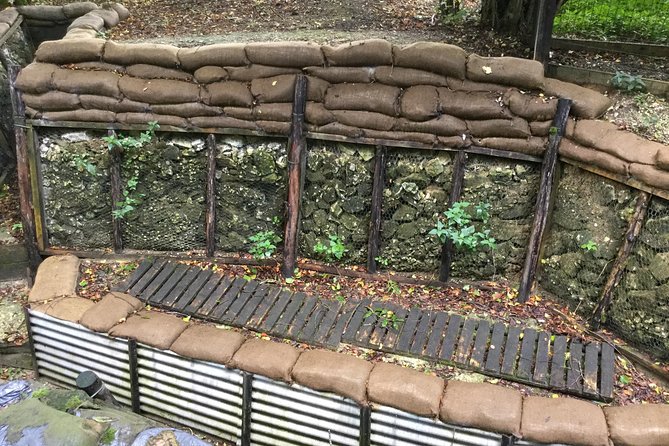
- Original trenches remain at Sanctuary Wood: This is one of the few stops where the physical wartime setting is especially immediate.
- The tour is best for serious history fans: Soren can tailor the day, including research connected with your family.
Why this private Ypres tour works so well
Ypres is not a single battlefield with one dramatic viewpoint. The fighting spread across villages, woods, ridges, roads, farms, and fields. A car and private guide make it easier to connect those scattered places.
This tour also follows a clear Australian thread. You’ll hear about Australian units at Hooge, Polygon Wood, Hill 60, Passchendaele, and Tyne Cot. That focus gives the day a useful shape, especially if your family connection is Australian or if you want to understand the 1917 battles from one national perspective.
The private arrangement matters. You are not tied to the questions or pace of a large group. Soren can spend more time on a relative, regiment, cemetery inscription, or battlefield action that interests you. The strongest praise for the tour centers on his ability to explain events with context and respect, rather than simply naming locations and dates.
You should still know what this is not. It is not a relaxed tour of Ypres town, and it is not built around museums, cafés, or long free periods. The day moves from one site to another. That makes it efficient, but you’ll want comfortable shoes, a coat suited to Belgian weather, and enough interest in military history to enjoy several hours of memorials and battlefield interpretation.
More Private Christmas Tours in the world:
- New York City Christmas Lights Private Horse Carriage Ride
★ 4.5 · 237 reviews - Christmas Lights Tour of Madrid in Eco Tuk Tuk Private
★ 5.0 · 125 reviews - Christmas in New York: Private Holiday History Tour
★ 5.0 · 107 reviews
Messines Ridge and the Christmas Truce
The day begins with roughly two hours at Messines Ridge, giving this opening stop unusual weight. Here, you’ll hear about the Battle of Messines and visit mine craters connected with the huge underground explosions used during the 1917 offensive.
The site also brings in the Christmas Truce, one of the most familiar human stories from the First World War. The tour places that story within the wider setting of the front, rather than treating it as a sentimental aside. That balance matters. The truce is memorable, but it was brief and uneven, while the surrounding fighting was vast and brutal.
You’ll also visit the crypt associated with Adolf Hitler’s treatment for wounds. This is an unusual detail in a Ypres-area tour, since it connects the First World War battlefield with a later and very different chapter of European history.
Messines is a strong first stop because it gives you three ways to understand the war: engineering, personal stories, and place. The craters show the scale of the military planning. The Christmas Truce adds a human note. The wartime medical connection adds another layer.
The two-hour visit can feel long if you are mainly interested in cemeteries, but it is valuable if you want the guide’s full explanation. Ask about family names or units early in the day. The private format gives you a better chance to shape the discussion.
Hooge Crater Cemetery and the Menin Road
The visit to Hooge Crater Cemetery lasts about 15 minutes, so expect a concise stop rather than a long cemetery walk. The focus is Pat Bugden VC, an Australian recipient of the Victoria Cross who was only 20 years old.
That detail can change how you see the site. Military history often arrives as large numbers and broad offensives. A young soldier’s story gives the cemetery a human scale. You’ll also stand beside the Menin Road, directly near the former Australian gun positions used during the assault toward Passchendaele.
The short timing is the main limitation. You will not have the same time here as at Messines or Tyne Cot. Still, the stop works well as part of the larger route because the road and gun pits help explain how troops, guns, and supplies moved through the area.
The tour then passes a site that served as Australian headquarters in September 1917. You’ll also hear about earlier fighting on the same ground in November 1914. This is a useful reminder that the Western Front was not one continuous battle with one start and finish. The same places could matter again years later.
Polygon Wood and the Australian 5th Division
At Polygon Wood, you’ll walk through the woods and see concrete bunkers that remained from the fighting. You’ll also visit the cemetery and the Australian 5th Division monument.
This half-hour stop is a good example of why seeing the ground matters. A map can show a line of advance, but walking through a wooded position helps you understand why bunkers, roads, and cover shaped the action. The concrete structures also give you something physical to study, rather than relying only on memorial stones.
The Australian 5th Division monument adds a national focus to the visit. If your family history connects to Australian forces, this may be one of the most meaningful parts of the day. If not, it still helps you follow the Australian advance as a connected story.
The stop is not long, so you’ll want to listen closely while Soren explains the action. The private setting should make it easier to ask for clarification or request more attention to a particular unit.
A few more festive outings around the world worth booking
- Auckland: Hobbiton Movie Set Day Trip with Festive Lunch
★ 4.8 · 1,431 reviews - London Christmas Day 1 Day Hop-on Hop-off Bus Tour
★ 4.0 · 15 reviews - One day tour Christmas markets Innsbruck – Bressanone – Vipiteno
★ 4.5 · 11 reviews - Small-Group Christmas Day Trip to Hallstatt from Vienna
★ 5.0 · 5 reviews
Hill 60 and the mine at 3:10 a.m.
Hill 60 brings the tour back to underground warfare. Here, you’ll hear about Captain Woodward and the 1st Australian Tunnelling Company, including the massive mine explosion at 3:10 a.m. on June 7, 1917.
The crater is the key sight. It gives the story a strong physical anchor and shows how the war was fought below the surface as well as above it. You are not simply hearing about artillery and infantry attacks. You are seeing the result of months of tunneling and explosive preparation.
This stop lasts around 45 minutes, enough time for the guide to explain the operation and its setting without turning the visit into a rushed photo stop. I would pay attention to the time and engineering details here. They make the battle easier to picture.
The drive afterward follows the line of the Australian advance. That travel time is part of the lesson. You move through the same broad area where units pushed forward, allowing the separate stops to connect in your mind.
Tyne Cot Cemetery and the scale of loss
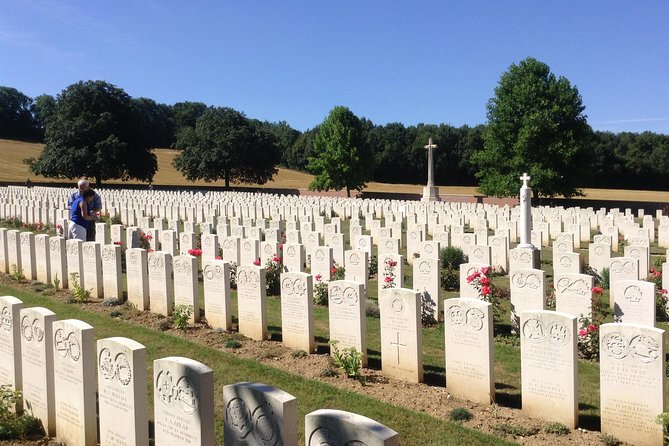
Tyne Cot is the largest Commonwealth War Graves Commission cemetery in the world, with about 12,000 soldiers buried there. Only around 3,000 have names, a figure that makes the cemetery’s scale especially difficult to absorb.
You’ll also hear about two Australian Victoria Cross recipients buried at Tyne Cot. That brings the visit back from vast numbers to individual lives, just as Pat Bugden’s story does at Hooge.
The tour allows about 45 minutes here. That is enough for a guided visit and time to take in the memorial, but it is not an unlimited period for a long independent walk. The setting calls for quiet attention. This is not a place where you need a constant stream of commentary. A thoughtful explanation, followed by a little silence, may be the best use of your time.
Tyne Cot can be the emotional center of the day. The cemetery’s size makes the human cost visible, while the clean layout and repeated rows of graves show how carefully remembrance has been maintained.
John McCrae and In Flanders Fields
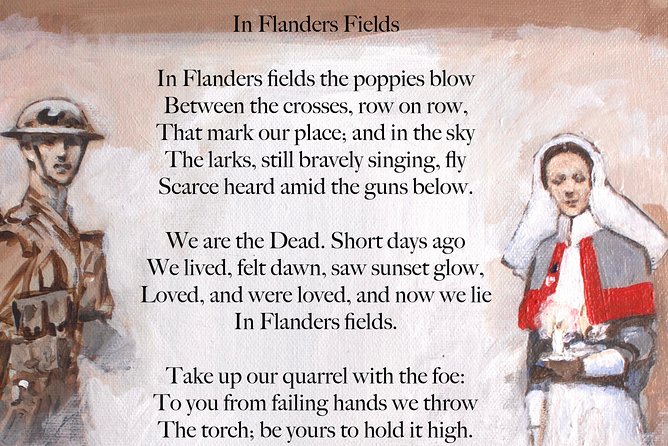
The John McCrae stop lasts about 30 minutes and focuses on the hospital site where Lieutenant Colonel John McCrae composed In Flanders Fields.
The poem is familiar to many people, but visiting the hospital site gives it a specific setting. You can connect the words with the medical work and battlefield conditions around Ypres. That makes this more than a literary footnote.
I like the change of tone here. After mines, bunkers, artillery positions, and cemeteries, the McCrae site brings poetry and remembrance into the story. It also shows how the war entered public memory through writing as well as through monuments.
The site is best approached as a short, reflective stop. Do not expect a large museum experience based on the information available. Its value lies in the connection between the place, the doctor, and the poem.
Menin Gate and the 55,000 missing
At Menin Gate, you’ll spend about 20 minutes learning how the memorial came about and hearing about the 55,000 names of missing soldiers listed there.
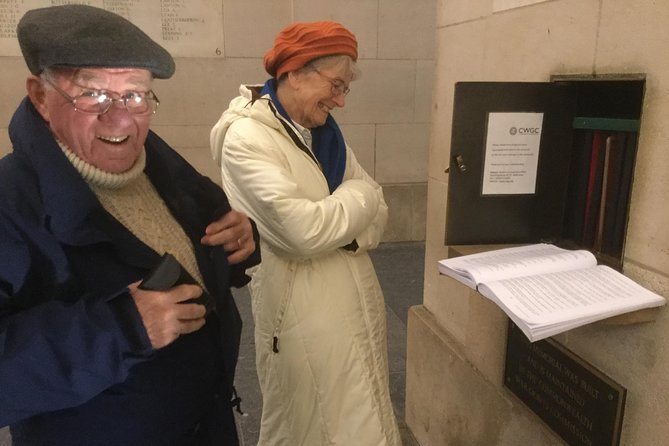
The gate is one of Ypres’s most recognizable memorials, but the guide’s explanation should help you see it as more than a famous photo stop. The names represent men whose remains were not identified or recovered. That absence is the point of the memorial.
If your schedule allows, ask about staying in Ypres for the Last Post. One person specifically noted that this can make an already moving day even more memorable. The tour itself does not promise that you will stay for the ceremony, so treat it as a possible extra rather than part of the fixed nine-hour plan.
The Menin Gate visit is brief. You may want more time to read names or look around, but its position near the end of the route gives the day a strong closing theme: remembrance after the fighting has disappeared.
Sanctuary Wood’s original trenches
Sanctuary Wood Museum offers about 40 minutes among original First World War trenches. This is one of the most tangible stops on the route.
Cemeteries and monuments tell you how later generations remembered the war. Trenches show how soldiers lived and fought in it. The uneven ground, narrow passages, and concrete remains can make the conditions easier to picture than a polished exhibit can.
The visit is also one of the few parts of the day where the physical remains take center stage. You’ll want sturdy footwear, since trench areas may be uneven. The tour information does not specify the condition of the paths, so sensible shoes are the safe choice.
Sanctuary Wood works well as the final major stop because it leaves you with the material reality of the front. After a day of maps, graves, names, and battle accounts, the trenches provide a direct visual reminder of the environment itself.
Pickup, timing, and the real cost
The tour begins at 9:00 a.m. and lasts about nine hours. Pickup is offered from hotels and B&Bs within a 66-kilometer radius of Ypres, including Bruges, Lille, Ghent, and Arras. For Ghent, Gent Dampoort Station is listed as a pickup point.
That range is a major practical benefit. You do not need to arrange a separate train connection to Ypres or find your own way between scattered battlefield sites. Pickup and drop-off also make this easier if you are staying in Bruges or Lille and want a full battlefield day without changing hotels.
The price is $532.32 per person. That is a serious cost, but the value improves if several people share the private vehicle and guide. You are paying for a full day, transport between widely separated sites, hotel collection, and the ability to tailor the route.
Lunch is not included, and bottled water is provided. Plan for your own midday meal, but do not assume a specific restaurant stop because the timing may depend on your questions and the pace at each site.
Confirmation is provided within 48 hours, subject to availability. Free cancellation is available up to 24 hours before the start time. Service animals are allowed, and the activity is listed as suitable for most participants and near public transportation.
Who should book this experience?
I would recommend this tour most strongly if you have a family connection to the Ypres Salient, an interest in Australian military history, or enough curiosity to spend a full day moving carefully through wartime sites.
It also suits you if you value a guide who can explain cause and effect. The strongest praise for Soren centers on his depth of subject knowledge, thoughtful attention to detail, passion, and good humor. Those qualities matter here because many of the sites are modest on their own. The story and explanation bring them together.
You may prefer a shorter or more general excursion if your interest in the First World War is limited. Nine hours is a long commitment, and the day includes several cemeteries and memorials. The reward is a much fuller understanding of how the sites relate to one another.
Should you book the Ypres Passchendaele tour?
Book it if you want a serious, personal introduction to the Ypres Salient and value door-to-door transport. The combination of Messines, Hill 60, Polygon Wood, Tyne Cot, McCrae’s hospital site, Menin Gate, and Sanctuary Wood gives you a wide view of the war’s military and human dimensions.
I would book with Soren if family history is part of your reason for coming. Send any known names, regiments, dates, or locations before the day if possible, since the private format is best used for personal questions.
Skip it if you want a light sightseeing day, a long lunch, or lots of free time. For everyone else, this is a focused and respectful way to understand why Ypres remains such an important place of remembrance.
FAQ
How long is the tour?
The tour lasts approximately nine hours.
What time does the tour begin?
The scheduled start time is 9:00 a.m.
Where can pickup be arranged?
Pickup is available from hotels and B&Bs within a 66-kilometer radius of Ypres. Listed locations include Bruges, Lille, Arras, and Ghent, with Gent Dampoort Station used as the Ghent pickup point.
Is the tour private?
Yes. Only your group participates in the activity.
Is lunch included?
No. Lunch is not included in the tour price.
What is included?
Bottled water is included. Admission to Sanctuary Wood Museum is included, while the other listed stops have no admission ticket charge.
Can the tour be adapted for family history?
Yes. The tour can be tailored if you have family history connected with the region.
Can I cancel for a full refund?
Yes. You can cancel for a full refund if you cancel at least 24 hours before the experience start time. Changes or cancellations made less than 24 hours beforehand are not accepted for a refund.
New this season around the world
- Washington, DC: Christmas Tree & Holiday Lights Bus Tour★ 4.5 · 4 reviews
- Windsor, Bath, Stonehenge & Salisbury with Christmas Lunch★ 4.3 · 3 reviews
- Wroclaw: Private 1h Christmas River Cruise★ 5.0 · 2 reviews
- Wien: Tour with locals on the trails of the Christmas Tree★ 4.6 · 7 reviews
- Visit the authentic Christmas market in Obernai★ 3.0 · 3 reviews
- Washington DC: Christmas Eve Gourmet Brunch or Dinner Cruise★ 4.2 · 6 reviews
- Zurich’s Enchanted Christmas: A Festive Journey★ 4.5 · 3 reviews
- Christmas Walking Tour in Zürich: Exploring Holiday Charm★ 5.0 · 2 reviews
Private Christmas Tours, compared.

New York City Christmas Lights Private Horse Carriage Ride
Read our review →
Christmas Lights Tour of Madrid in Eco Tuk Tuk Private
Read our review →
Christmas in New York: Private Holiday History Tour
Read our review →
London Christmas Lights Private Tour by Traditional Black Cab
Read our review →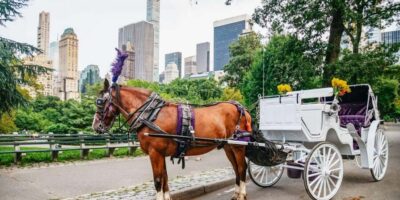
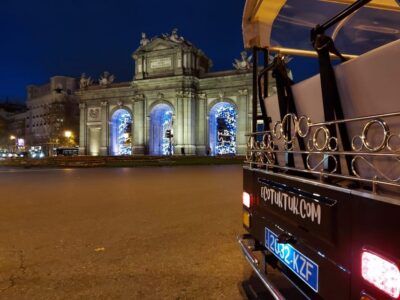
Madrid: Private Christmas Lights Tour by Eco Tuk-Tuk
Read our review →

Private Christmas Tour in Münster including Glühwein
Read our review →Browse the lists this tour appears in